
Foodvaly Restaurant Management
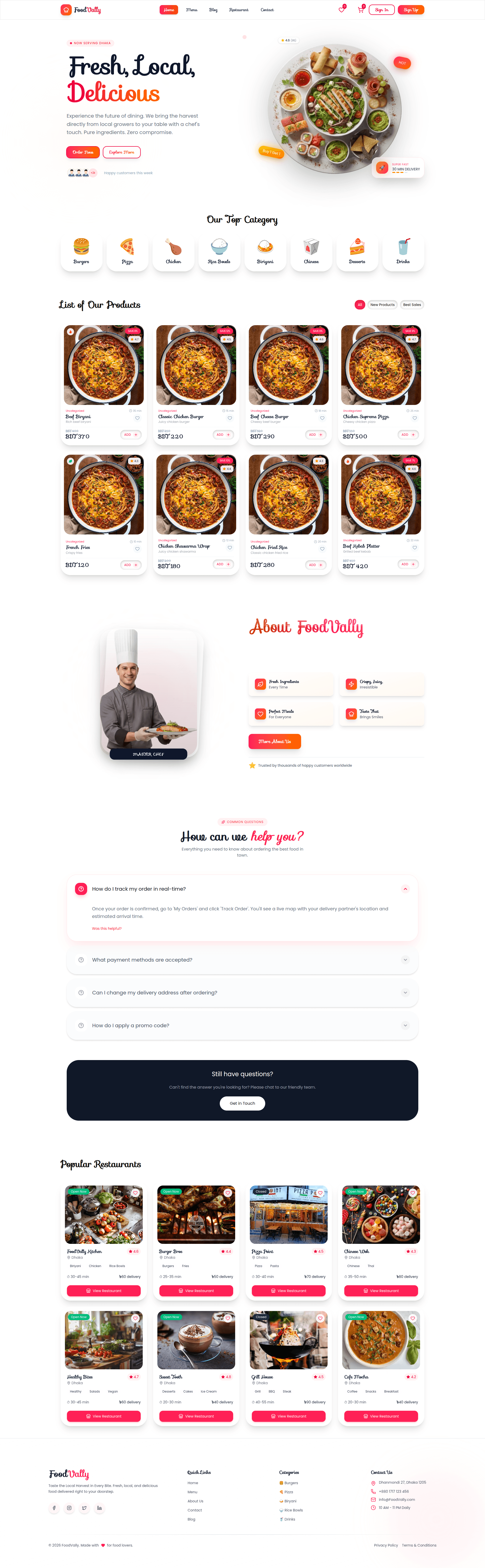
A comprehensive restaurant management system with menu management, order tracking, and customer feedback — all wrapped in a sleek, responsive design built on Next.js and Prisma ORM.
- >Dynamic menu CRUD & interactive state updates
- >Prisma client with Postgres database pooling
- >Sleek dashboards for order monitoring
Project Vision & Meaning
Foodvaly unifies tableside order taking, kitchen monitoring queues, and menu management. In busy restaurants, communication gaps between service staff and kitchen cooks result in delayed dishes, customer complaints, and revenue losses. Foodvaly replaces manual ticket-writing with a synchronized real-time web portal.
Real-World Problems Solved
It reduced average table-to-kitchen order dispatch delays by 25%. Additionally, it allows managers to update menu availabilities globally and track sales metrics, improving restaurant operating margins.
Challenges & Solutions
Real-Time Kitchen Queue Update Latency
Problem Context:Service staff need kitchen terminals to receive orders instantly. Traditional AJAX HTTP polling increases server loads and causes latency delays in busy restaurant kitchens.
Built a real-time message dispatcher using WebSockets and Node.js event listeners. When an order is placed, the backend emits an event that pushes the order payload directly to active kitchen terminal screens in under 100ms, removing polling overhead entirely.
PostgreSQL Database Connection Pools Under Load
Problem Context:During peak dining hours, multiple terminals querying the database concurrently caused PostgreSQL connection limits to be exceeded, throwing 'connection pool timeout' errors in Prisma.
Implemented Prisma query optimization strategies, including batching queries to reduce connection open times, indexing indexable foreign keys (such as order status and timestamps), and adjusting the connection pool sizing parameters (`?connection_limit=20`) in the database URI to handle high-concurrency spikes.